Platform SEO That Works With Your CMS, Not Against It
- Your CMS can make publishing easy while quietly making crawling, indexing, speed, and site architecture much harder.
- OMG builds SEO around what your platform can do, from WordPress and Shopify to Webflow, headless setups, and beyond.
- Get a free CMS SEO audit, delivered in 48 hours. We’ll tell you what your CMS can and cannot do.




Your Platform SEO Starts Here
Claim your free strategy valued at $3,000
-
Hannan Tew Lawyers

Long time user of OMG, but first time reviewer. We’ve just had an awesome 2 years with them.
-
Calvin Klein
I have been working with Mez and Andrew since 2013 across multiple retail brands. Measurable results and advice to further grow the business. The team at OMG are personable, honest, reliable and talented.
-
Artline
We’ve been utilising the services of OMG for over 2 years and couldn’t be happier! The level of commitment and insight the team brings to the campaign has been fantastic.
-
361 Degree Consultancy

We chose to go with OMG after interviewing 3 different SEO companies and it was one of the best decisions we have ever made for our business. Every company told us it would be 6 months before we saw any results – it has only been 3 months with OMG and there is a tangible increase in our online sales!
-
Dymocks
I’ve worked with a number of agencies over the past decade and they are the best by far. The team offer an affordable service with a huge amount of value added insight. In addition, they’re proactive and are constantly looking for improvement in our business which is an appreciated quality in a business partner. Can’t recommend highly enough!
-
Bulk Nutrients

We love working with the guys and girls at OMG. Emily, Dan and Wendy are great to work with both on SEO and PPC.
-
Cohen Handler

Simon and the team have really gone above and beyond for us. They were instrumental in the successful migration and update of our website so that our SEO transition was flawless.
-
Ultraceuticals

Great experience working with OMG on our SEO/SEM for 3 years – responsive, helpful, proactive and very pleasant to work with.
-
Eye Concepts

OMG has a great team of SEO specialists who are extremely helpful and knowledgable. We’ve been with OMG for about 3 months now and have already seen a significant improvement on our Google Rankings.





Sound Familiar?
You Have A Working CMS; SEO Still a Struggle
The Built-In SEO Tools Say Everything’s Fine
Your CMS gives you titles, descriptions, sitemaps, and a reassuring row of checkmarks. Useful? Absolutely. Complete? Not quite. Those controls rarely tell you when rendering or indexation rules are quietly holding important pages back.
Your Theme, Plugins, And Speed Score Are Fighting Each Other
One plugin fixes a problem while another slows the site down. The theme adds features you never use, and every performance tweak seems to break something else. The stack seems to be working against itself, and you feel like SEO is much harder than it needs to be.
Your Last SEO Audit Never Mentioned The Platform
You got a long list of technical fixes, but nothing about what your CMS could actually support. Generic audits miss the platform-specific quirks that shape crawling, rendering, URLs, indexing, and speed, which means the recommendations can look thorough while solving the wrong problems.
Why The Platform Shapes The SEO
A CMS isn’t just where your content lives. It decides how pages are rendered, how URLs behave, how much control you have over templates, and how easily search engines can crawl and index the site. That means builds can create very different SEO problems.
Platform SEO is the practice of adapting technical optimization, content, and authority-building to the capabilities and limitations of a specific CMS or web framework, rather than applying the same checklist to every site.
There’s no universally best CMS for SEO. The right platform depends on what you sell and how your site is built. Sometimes the best move is optimization. Sometimes it’s migration. The key is knowing which one before you spend six figures rebuilding the wrong problem.
Platform We Support
Platform SEO Built Around
The CMS You Actually Use
Strong local visibility takes more than setting up a profile once. We manage the signals, content, reviews, location data, and performance that keep profiles competitive.
WordPress SEO
We tackle plugin conflicts, theme bloat, indexing issues, template control, page builders, and Core Web Vitals without treating Yoast or Rank Math as the strategy.
Shopify SEO
Optimize collections, products, faceted URLs, canonical behavior, structured data, and technical limitations that can affect organic revenue.

WooCommerce SEO
We combine WordPress technical SEO with eCommerce-specific work across product architecture, categories, filters, duplicate content, schema, and performance.
BigCommerce SEO
We work within BigCommerce’s template and product architecture to strengthen crawlability, index control, and commercial visibility.
Webflow SEO
Webflow gives you strong design control, but structure still matters. We refine templates and content architecture around search demand.
Magento SEO
Magento gives larger eCommerce sites serious flexibility, but that flexibility can create performance issues. We tighten the technical setup so scale doesn’t turn into search clutter.
Wix SEO
Wix has come a long way on SEO, but template control, site structure, performance, and technical flexibility still need careful handling. We work within the platform instead of pretending it behaves like WordPress.
Squarespace SEO
Squarespace keeps things simple, which is useful until you need deeper technical control. We optimize structure and performance while working around the platform’s limits.
Headless CMS SEO
Headless and JavaScript frameworks need closer attention to rendering, routing, metadata, and more. We work with developers to make sure flexibility doesn’t come at the expense of visibility.
Find Out Where Your CMS Is Holding SEO Back
How It Works
From Platform Audit to Organic Growth
We assess how your CMS handles crawling, rendering, URLs, templates, indexation, site speed, structured data, and other platform-specific SEO controls.
We map the most vital performance metrics to establish where you stand before anything changes.
Some platform quirks are harmless. Others quietly cap growth. We rank issues by commercial impact and what your CMS realistically allows.
We tackle the highest-impact issues first, working with your developers where changes require code, templates, integrations, or infrastructure.
Once the foundations are stronger, we expand content and authority around the searches most likely to drive pipeline or revenue.
Gurulytics keeps performance visible while we refine the strategy around what’s working and where to push next.
Timelines vary based on your starting authority, industry, media opportunity, campaign complexity, and scope of work. Contact us to learn more.
SEO Results Our Teams Have Delivered
2.1B+
search impressions
53M+
website visitors
22M+
tracked conversions
$122M+
tracked revenue (USD)
Case Studies
See What Happens When The CMS Stops Being The Bottleneck

How Frankies Bikinis Grew Overall Keyword Reach 234% in Six Months
Frankies Bikinis runs on Shopify, where a platform error was duplicating paginated URLs across the store. By fixing the pagination, restructuring the site and strengthening internal links on key category pages, OMG more than tripled overall keyword reach, from 16.3K to 54.6K, in 6 months.
54%
Increase in branded clicks
234%
Increase in overall keyword reach

More Case Studies
234%
Frankies Bikinis is a female led beachwear brand known for fashion forward designs, innovative fabrics and inclusive styles for every body. In 2012, mother and daughter Mimi and Francesca Aiello began designing bikinis in Malibu, and have since worked with Gigi Hadid and Naomi Osaka. They joined OMG in April 2022.
Frankies Bikinis
Retail & E-Commerce

Position #1
Black Opal Direct is a second generation gem merchant based in Springfield, Missouri, offering one of the widest ranges of bespoke opal jewelry to customers worldwide. Starting as a physical store in 2012 before moving online, the business partnered with OMG in May 2022 to build on already strong SERP positions while maximizing organic visibility.
Black Opal Direct
Retail & E-Commerce

142%
Calvin Klein is one of the world’s most iconic lifestyle brands, offering on-trend and affordable wardrobe-essentials. Since 1968, they’ve won the hearts of happy customers in 130+ countries. But in the competitive fashion industry, digital is what defines achieving success or going stagnant.

Calvin Klein
Retail & E-Commerce

222%
Since 1985, Tommy Hilfiger pioneered American-style fashion, with a modern twist. Now becoming one of the most recognizable premium lifestyle brands in the world, they host a breadth of collections including men’s, women’s and kids sportswear, denim, accessories and footwear.

Tommy Hilfiger
Retail & E-Commerce

156%
Eric Javits has been manufacturing premium, lightweight yet flexible hats since 1995 that are also UPF 50+ safe. Eric’s use of advanced fibers and creative talent have made hat wearing viable for the 21st Century. The designer fashion company reached out to Online Marketing Gurus in July 2022 to establish visibility within a competitive market.

Eric Javits
Retail & E-Commerce

196%
Gifts for Good is a corporation dedicated to empowering the world to help people and the planet through gift giving, envisioning a world where every gift purchased gives back. Their gifts have supported the work of over 60 nonprofits and social enterprises around the globe.

Gifts for Good
Retail & E-Commerce
Trusted by 1,000+ Clients




Why Choose Us?
CMS SEO Without Pretending Every Platform Works The Same
Your platform has strengths, limitations, and the occasional baffling design decision. We explain the trade-offs clearly and recommend changes based on impact, not whichever happens to be fashionable this quarter.
We Partner with the Best
-
Semrush Agency Partner

-
Ahrefs Agency Partner
-
Shopify Agency Partner
-
WordPress Agency Partner
-
Magento Agency Partner
-
Woocommerce Agency Partner
-
Wix Agency Partner





3 Things Most Agencies Can’t Replicate
See What Your SEO Does In Real Time
Gurulytics, the AI reporting tool exclusive to OMG clients, brings SEO, paid media, and conversion data into one live view. See which campaigns are gaining ground and where leads are coming in a unified, intuitive dashboard.
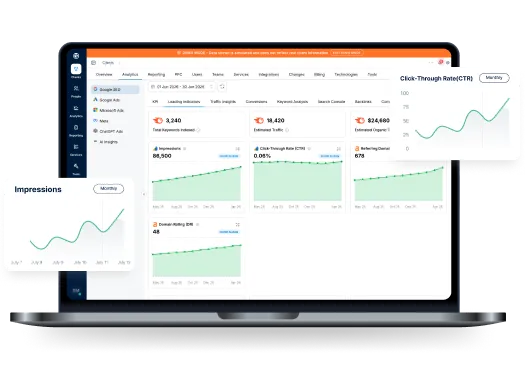
SEO Done Inside Your Platform
Recommendations only matter once they’re implemented. With your oversight, OMG will work within your CMS to fix technical issues, optimize templates, improve indexation, and make changes where the SEO actually lives, not in a separate document.
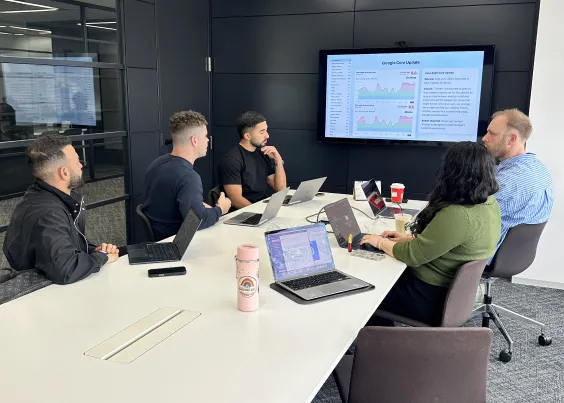
Migrate Platforms Without Leaving Rankings Behind
Changing CMSs shouldn’t mean starting over in search. We can help protect URLs, redirects, content, internal links, and indexation throughout the migration so the move doesn’t wipe out the visibility you’ve already earned.

Meet Your Platform SEO Specialists
Your CMS Needs More Than Someone Who Knows Where The SEO Settings Are
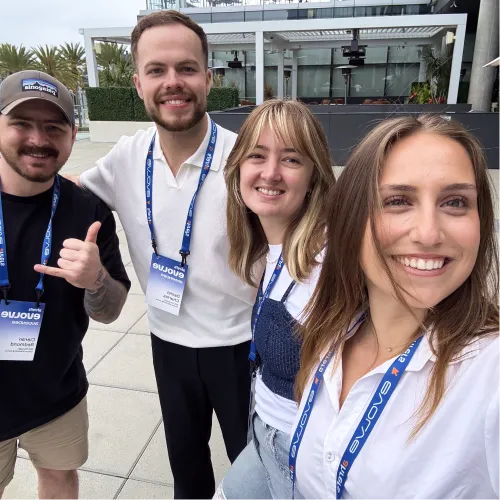
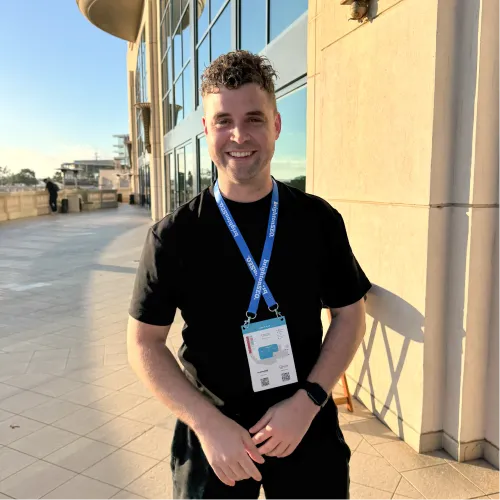
At OMG, your strategy is backed by consultants who understand how search behaves across platforms and builds. That means clearer technical recommendations, fewer platform assumptions, and no pretending every CMS can do the same thing.

14+ years
of digital marketing experience
200+
specialists across our global team
1,000+
businesses supported
60+
industry awards
Client Testimonials
Real Businesses. Real Search Growth.
The CMS may change, but the standard doesn’t. See how businesses have turned search into a measurable growth channel with platform-aware SEO behind it.
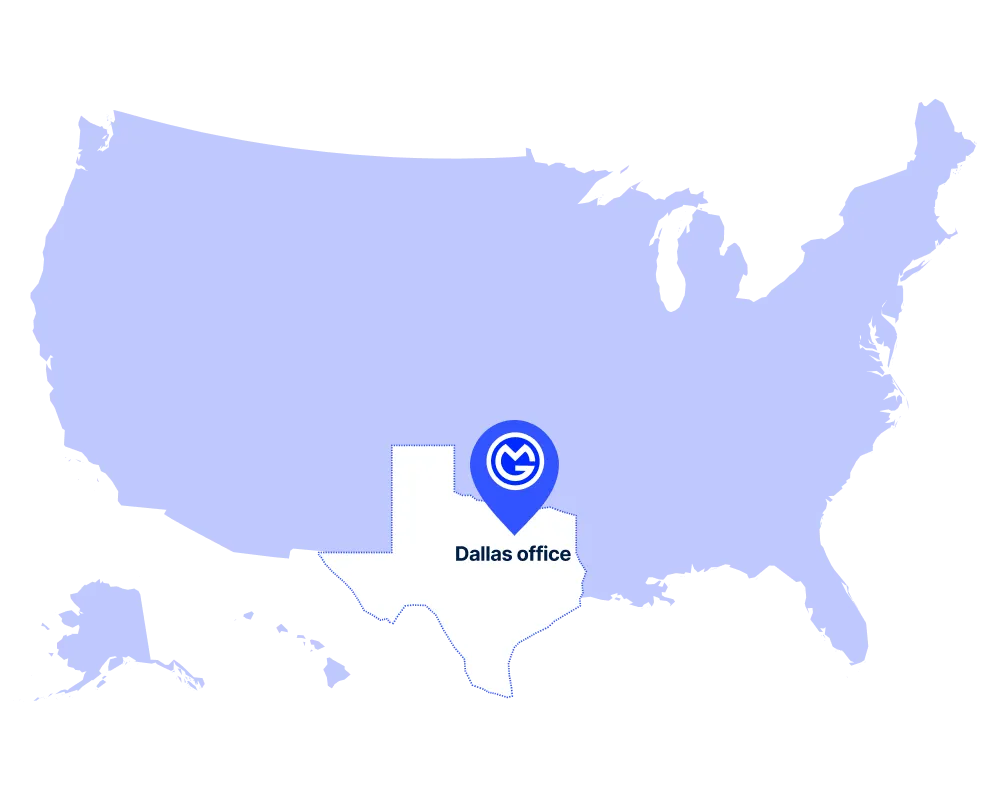
Platform SEO Support for Businesses Across the US
From single location home service businesses and healthcare clinics to national franchises managing hundreds of profiles, we build Google Business Profiles that win the map pack and turn nearby searches into calls, bookings, and jobs.
- California
- Florida
- Illinois
- Nationwide
- New York
- Texas
FAQs About Platform SEO
Yes. Both can rank well when the site is technically sound, useful, and authoritative. The limitation that we see is control. Some advanced technical fixes are easier on WordPress, Shopify, or a custom stack. Let us audit your site and we’ll tell you whether the platform is genuinely holding you back or whether the problem sits elsewhere.
None wins by default. From experience, we can say Shopify is streamlined but more restrictive technically. WooCommerce offers deeper control but can become bloated. BigCommerce handles scale well but has its own template and URL constraints. The better choice depends on your catalog, development resources, and how much technical flexibility your SEO strategy needs.
The best CMS for SEO is the one that gives your business enough control without creating an operational headache. WordPress offers flexibility, Shopify simplifies eCommerce, and headless setups offer deep control with greater technical complexity. There’s no universal winner.
You can if the migration is poorly handled. Changed URLs, missing redirects, altered templates, lost content, broken internal links, or accidental noindex directives can all damage visibility. A properly planned SEO migration maps what needs to stay, what should change, and what must be monitored after launch.
Possibly, but the logo on the CMS dashboard isn’t usually the deciding factor. Their advantage may come from better technical execution, stronger content, cleaner architecture, more authority, or faster development. OMG can examine your site and compare it with your competitors’ before blaming the CMS.
Yes. We can manage SEO for multiple platforms, such as a WordPress corporate site paired with Shopify or BigCommerce. The strategy needs to account for how domains, subdomains, content, internal links, tracking, and authority work across both properties.
Yes. Headless CMS SEO requires closer coordination between SEO and development because rendering, routing, metadata, canonicals, structured data, and indexation may be controlled in different parts of the stack. We work with your developers to identify what search engines receive, not just what users see.
You might. Built-in tools are useful, but they usually check what the platform knows how to check. They won’t necessarily identify weak architecture, rendering issues, competitive gaps, wasted crawl paths, thin content, or why traffic isn’t becoming revenue. Think of them as controls, not a complete strategy.
Absolutely. Platform SEO often works best when the web development and SEO teams are on the same page. We define the requirements, explain the priority, and collaborate on implementation without turning every technical recommendation into a game of telephone.
No. SEO platforms are tools used to research, monitor, audit, and measure search performance. A CMS is the system used to build and manage your website. One helps analyze SEO. The other can directly shape how your site is crawled, rendered, and indexed.
Find Out What Your CMS Can & Cannot Do
Your CMS might be perfectly capable of supporting your next stage of growth. It might also be creating technical limits that no amount of new content will fix. Either way, you should know before investing more time, development budget, or migration money.
No cost. No commitment.